Kitchen Fire Suppression System Inspection: Monthly, 6-Month and Hood Rules
Kitchen fire suppression system inspection has three parts. You check the system every month, a trained company services it at least every six months under NFPA 17A and NFPA 96, and the hood and duct get cleaned on a schedule set by how much you cook. Keep every tag and report on site.
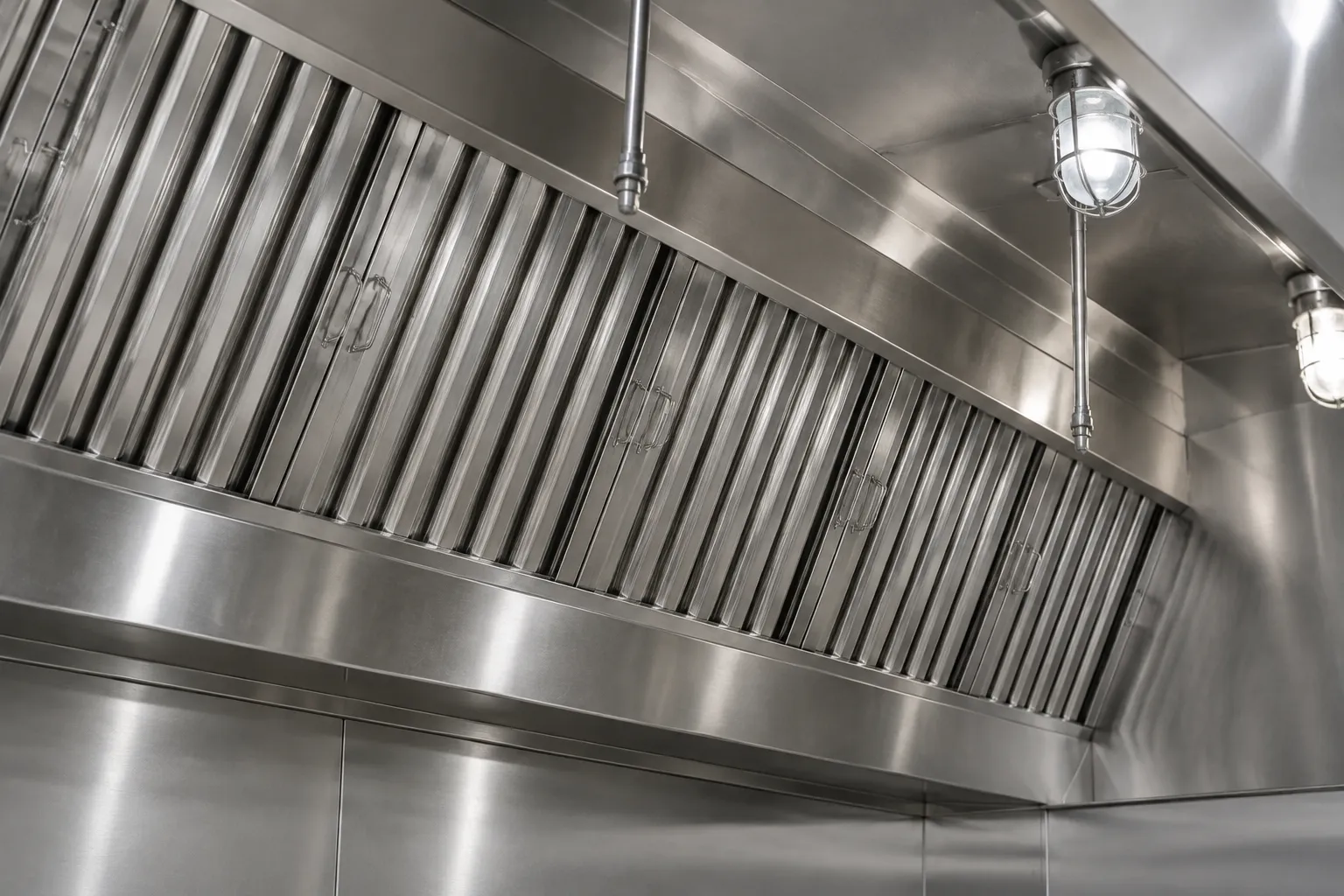
Kitchen hood suppression inspection, testing and maintenance
Your monthly check of the kitchen suppression system
Minnesota Department of Health guidance, citing NFPA 17A (2009 edition) Section 7.2.2, describes a monthly inspection of wet and dry chemical hood systems. With training from your service company, a kitchen manager can do it.
- System is armed and ready
- Manual pull station is unobstructed
- Tamper indicators and seals are intact
- Service tag or certificate is in place
- No obvious damage
- Pressure gauge, if fitted, is in range
- Nozzle blow-off caps are in place and undamaged
- Portable extinguisher in the kitchen is not blocked by carts
The six-month service
A trained and qualified person must service the system at least every six months, according to the Minnesota guide citing NFPA 96 Section 11.2.1. The service includes testing all actuation and control parts: remote pull stations, mechanical and electrical devices, detectors and actuators. Fusible links of metal alloy type are replaced at least semiannually. Other link types are examined and cleaned or replaced at least annually.
The hood system’s signal to the building fire alarm is tested yearly with the alarm test.
- Pull stations and actuators tested
- Detection links replaced or checked on schedule
- Alarm interconnect confirmed
- Cylinders weighed and checked
- New service tag and certificate issued
Hood and duct cleaning by cooking volume
Cleaning frequency follows the type and volume of cooking. A Washington fire district guide summarizing NFPA 96 lists these cycles:
| Cooking volume | Cycle |
|---|---|
| Solid fuel | Monthly |
| High volume (24 hour, charbroil, wok) | Quarterly |
| Moderate volume | Semiannual |
| Low volume (day camps, churches, seasonal) | Annual |
Portland Fire and Rescue’s rule gives the same shape in months. See the full guide at hood cleaning frequency.
Cleaning is triggered by grease found at inspection, not only by the calendar. The service company must not rinse chemicals onto fusible links or leave suppression parts disabled.
- Hire a trained, qualified cleaner
- Ask for a certificate and a written report of areas not cleaned
- Label on each cleaned access panel
- Keep cleaning chemicals off fusible links
- Return all switches and dampers to normal
Records to keep on site
The Minnesota guide says the exhaust cleaner must give you a certificate with company name, technician name and date, and a written report on areas not cleaned. The six-month service company must give you a certificate of inspection. That guide says to keep the paperwork on site for at least three years, as required by Minnesota’s own fire code. Your jurisdiction may differ.
- Monthly check log
- Six-month service certificates
- Hood cleaning certificates and reports
- Hydro test records for cylinders
- Contact for your service company
What the inspector checks
- Service tag on the suppression system is within 6 months
- Monthly check log is filled in
- Hood cleaning label is on the access panels and is current
- Grease filters are in place and clean
- Manual pull station is unobstructed
- Fuel shutoff and gas valve tied to the system
- Extinguisher in the kitchen is not blocked
What UL 300 means for your system
UL 300 is the fire test standard for wet chemical hood systems. The Minnesota guide says NFPA 96 requires dry and wet chemical systems to be listed to ANSI/UL 300. That is the listing your installer should provide. UL 300A covers residential range-top units.
Cylinder tests
Per the Minnesota guide, wet chemical cylinders get a hydrostatic test every 12 years under NFPA 17A. Dry chemical cylinders are examined for caking every 6 years and hydro tested every 12 years under NFPA 17. Ask your service company to schedule these.
Who is responsible
The owner carries the duty. Your service company and cleaner do the work, and you hold the records. Find a certified provider on the provider page and confirm local rules for restaurants at restaurants.
Kitchen hood suppression: common questions
How often does a kitchen fire suppression system need inspection?
Check it monthly yourself and have a trained company service it at least every six months, per NFPA 96 and NFPA 17A as described by Minnesota Department of Health.
Who can inspect a kitchen suppression system?
Monthly checks can be done by trained kitchen staff. The six-month service needs a trained and qualified person. Many states license these companies.
How often does a commercial hood need cleaning?
From monthly for solid fuel to annually for low volume cooking, depending on the cooking type. See the hood cleaning frequency guide.
What is UL 300?
A fire test standard for wet chemical systems that protect commercial cooking equipment. NFPA 96 requires listing to it.
Do fusible links need replacing?
Metal alloy fusible links are replaced at least every six months. Other types are examined and cleaned or replaced at least annually.
How long do I keep the service records?
Keep them on site. Minnesota's guide cites three years under its own fire code. Confirm your local period.
Does the hood system connect to the building fire alarm?
Where the building has a fire alarm, the signal is tested yearly with the annual alarm test.
Requirements depend on the code edition your state and local fire marshal have adopted. Confirm with your authority having jurisdiction.
Sources
- Minnesota Department of Health: Protection of Kitchen Cooking Equipment
- Marysville Fire District: Restaurant Owner's Guide to Exhaust Hood Cleaning
- Portland Fire and Rescue FIR 8.08
- NFPA 96 standard page
- NFPA 17A standard page